Seeing Through the Lens: The Vintage Camera Eye Design
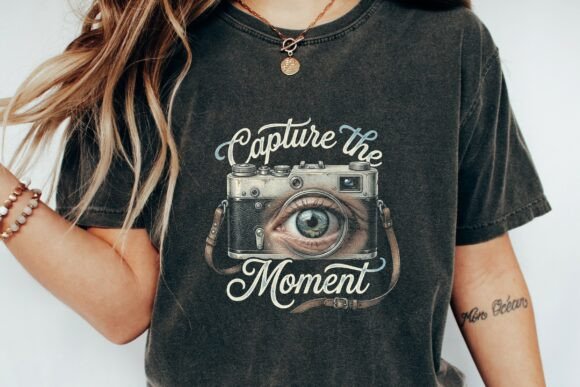
Imagine a striking graphic where the mechanical precision of a vintage camera meets the organic depth of a human eye, its lens reflecting a breathtaking mountain landscape. This isn't just an illustration; it's a visual metaphor. The Vintage Camera Eye Design is a powerful piece of digital art that combines photography, surrealism, and a clear message: 'Capture the Moment.' For designers and creators, it’s more than a pretty picture—it's a versatile asset that can inject narrative depth and artistic flair into a wide range of projects. Let's explore how this unique design can serve as a cornerstone for your creative work.
Why This Design Resonates: The Blend of Nostalgia and Vision
The appeal of this design lies in its seamless fusion of concepts. The vintage camera evokes a sense of history, craftsmanship, and the tangible art of analog photography. It speaks to a time when every shot was deliberate. Juxtaposed with the human eye—the ultimate symbol of perspective, emotion, and personal vision—it creates a compelling visual tension. The reflected mountain landscape within the eye grounds the surrealism in reality, suggesting that what we choose to see and capture defines our world. This layered symbolism makes it an exceptionally engaging element for any project that aims to tell a story or evoke a specific mood.
Practical Applications for Creatives and Businesses
This high-resolution PNG file, with its transparent background, is designed for real-world use. Its 300dpi quality ensures crisp results whether printed or displayed digitally. Here’s how it can be integrated into your workflow:
- Branding and Logo Design: For photographers, film festivals, creative agencies, or vintage-themed cafes, this design can serve as a central logo mark or a powerful icon within a larger brand identity system. It instantly communicates a focus on artistry, memory, and unique perspective.
- Packaging and Merchandise: Imagine this graphic on a coffee bag for a specialty roaster, on a tote bag for a camera shop, or as a striking sticker. It adds a premium, artistic touch that elevates the product and appeals to consumers who value design.
- Social Media and Digital Marketing: Use it as a hero image for a blog post about visual storytelling, as a standout graphic in an Instagram story, or as a thumbnail for a video essay on photography. Its inherent visual interest stops the scroll and encourages engagement.
- Editorial and Print Layouts: In magazines, book covers, or poster designs, this image can anchor a layout. It works beautifully as a chapter opener for a novel about memory or as the central visual for a photography exhibition poster.
- Digital Products and Invitations: Incorporate it into digital planners, journaling kits, or as a focal point for an invitation to a gallery opening or a vintage-themed event. It sets a sophisticated and thoughtful tone immediately.
Enhancing Your Visual Communication Strategy
Using a well-crafted asset like the Vintage Camera Eye Design does more than just decorate a project; it strengthens your overall visual communication. Consistency is key in branding, and having a strong, recognizable graphic helps build that consistency across platforms. When your audience sees this evocative camera-eye motif on your website, your social media, and your packaging, it reinforces your brand's narrative and values. This leads to stronger brand recognition and a more professional presentation. Furthermore, a compelling visual like this naturally boosts audience engagement. People are drawn to images that make them think and feel, and this design does exactly that, making your content more shareable and memorable.
Integrating This Asset into Your Design Workflow
To get the most out of this design, consider these practical tips. First, think about its role in your composition. Is it the main character or a supporting element? Its strong personality means it can easily dominate a layout, so pair it with cleaner, more neutral typography to maintain balance. A simple sans serif font or a classic serif font for body text can provide a perfect counterpoint.
Second, leverage the file's transparency. The transparent background allows you to layer it over various textures, photographs, or solid color fields without clashing borders. Experiment with opacity and blending modes in your design software to create unique effects—perhaps a subtle overlay on a textured background or a bold, clean placement on a minimalist poster.
Finally, always ensure you understand the licensing for such design assets. For commercial projects, confirming that the file comes with a license that covers your intended use—whether for merchandise, digital products, or client work—is essential for a professional workflow. This allows you to use the design confidently and ethically.
A Tool for Storytelling
Ultimately, the Vintage Camera Eye Design is a tool for storytellers. It’s for the entrepreneur who wants their brand to feel more human, the blogger seeking a visual shorthand for introspection, and the designer tasked with creating something that transcends the ordinary. In a world saturated with generic stock imagery, having access to a piece of art that is both visually stunning and rich with meaning can be the difference between a project that is merely seen and one that is truly felt. It invites your audience to look closer, to reflect, and to connect with the moment you’ve chosen to capture.